How Yoga Improves Sleep Quality: A Practical Overview
Sleep is a fundamental component of overall well-being, yet many individuals experience difficulty in achieving restful, uninterrupted sleep. Factors such as stress, overstimulation, and an overactive mind can interfere with the natural sleep cycle. In recent years, yoga has gained attention as a supportive practice for improving sleep quality, particularly through restorative postures and controlled breathing techniques. This article provides a practical overview of how specific yoga practices may contribute to deeper, more restorative sleep, with a focus on routines that can be incorporated into an evening schedule.
Restorative yoga, a gentle form of the practice that emphasizes relaxation and passive stretching, is often recommended for those seeking to calm the nervous system before bed. When combined with deliberate breathing exercises, these practices help shift the body from a state of alertness to one of rest. The following sections explore the mechanisms behind this effect and offer practical guidance for building a nightly routine.
Understanding the Connection Between Yoga and Sleep
The relationship between yoga and sleep is rooted in the autonomic nervous system. The body has two primary branches: the sympathetic nervous system, which governs the fight-or-flight response, and the parasympathetic nervous system, which supports rest and digest functions. Many sleep difficulties are linked to an overactive sympathetic response, even when no immediate threat exists. Yoga practices that emphasize slow movement, long holds, and mindful breathing can help activate the parasympathetic system, thereby creating conditions that may be conducive to falling asleep and staying asleep.
Research suggests that regular yoga practice may influence the regulation of cortisol, a hormone associated with stress. Elevated cortisol levels in the evening can interfere with the production of melatonin, the hormone that signals the body to sleep. By reducing cortisol through relaxation techniques, yoga may support a more natural sleep-wake rhythm. It is important to note that outcomes vary among individuals, and yoga is not a substitute for medical advice when chronic sleep disorders are present.
Restorative Yoga Poses for Evening Practice
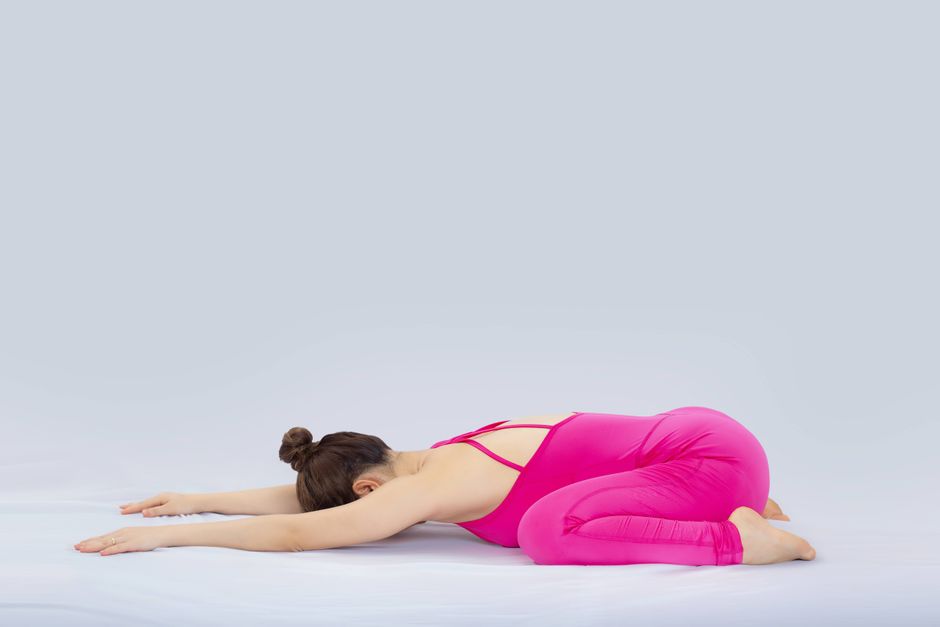
Restorative yoga poses are designed to be held for extended periods, often with the support of props such as blankets, bolsters, or blocks. The goal is to release tension in the muscles and allow the body to settle into a state of ease. A few commonly recommended poses for the evening include Child’s Pose (Balasana), Legs-Up-The-Wall (Viparita Karani), and Reclining Bound Angle Pose (Supta Baddha Konasana). In Child’s Pose, the practitioner kneels and rests the torso forward, either on the floor or on a support, which can help quiet the mind and release the lower back.
Legs-Up-The-Wall involves lying on the back with the legs extended vertically against a wall. This gentle inversion may improve circulation and reduce swelling in the legs, while also encouraging a calming effect on the nervous system. Reclining Bound Angle Pose, where the soles of the feet are together and the knees fall open, is often supported with blankets under the thighs or a bolster along the spine. Each of these poses can be held for five to ten minutes, allowing the body to slowly relinquish tension. Practitioners at Sage Yoga often incorporate these postures into evening classes designed to prepare for sleep.
Breathing Exercises to Calm the Mind
Controlled breathing, or pranayama, is a core element of yoga that can directly influence the autonomic nervous system. Techniques that emphasize slow, extended exhalations are particularly useful for promoting relaxation. One well-known method is the 4-7-8 breathing pattern, which involves inhaling through the nose for four counts, holding the breath for seven counts, and exhaling through the mouth for eight counts. This pattern is thought to stimulate the vagus nerve, which plays a key role in parasympathetic activation. Regular practice of this technique may help reduce the time it takes to fall asleep.
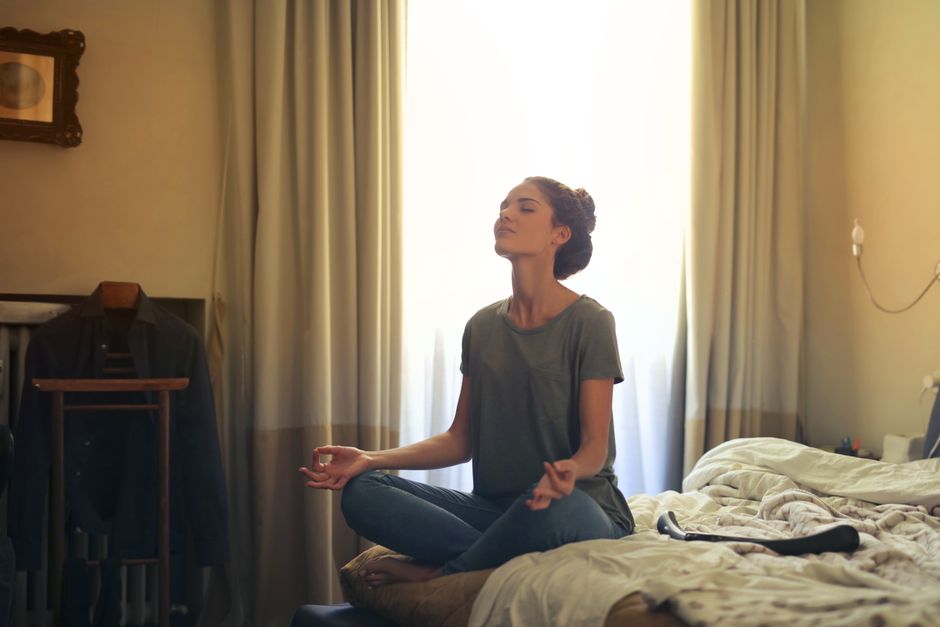
Another gentle exercise is alternate nostril breathing (Nadi Shodhana). In this practice, the practitioner uses the thumb and ring finger to alternately close one nostril while breathing through the other. The rhythm is typically slow and even, with the aim of balancing the left and right hemispheres of the brain. While the exact mechanisms are still being studied, many individuals report a sense of calm and mental clarity after a few cycles. These breathing exercises can be done while lying in bed or seated comfortably, and they require no special equipment.
Building a Consistent Nightly Routine
Consistency is often cited as an important factor when integrating yoga into a sleep hygiene routine. The body responds to repeated cues that signal the end of the day, and a predictable sequence of gentle movement and breathing can strengthen that association. A simple routine might begin with five to ten minutes of restorative poses, followed by five minutes of breathing exercises, and conclude with a few minutes of quiet observation or body scan. Dimming the lights and avoiding screens during this time can further support the transition to sleep.
It is advisable to perform these practices at least thirty minutes before the intended bedtime, as the effects may take some time to build. Individual preferences will influence which poses or breathing techniques feel most comfortable. Some may prefer to use guided audio recordings, while others may follow a written sequence. The key is to approach the routine with a sense of curiosity rather than expectation, allowing the body to respond naturally. Over time, a regular practice may contribute to improvements in sleep quality, though results depend on many lifestyle factors.
Additional Factors That Influence Sleep
While yoga can be a helpful tool, sleep quality is influenced by a wide range of elements, including diet, physical activity, stress levels, and the sleep environment. Caffeine and alcohol consumption, particularly in the evening, can disrupt sleep architecture. Similarly, exposure to blue light from electronic devices may suppress melatonin production. A holistic approach that combines yoga with good sleep hygiene—such as maintaining a cool, dark room and a regular sleep schedule—may yield more consistent benefits.
For individuals with persistent insomnia or other sleep disorders, consulting a healthcare professional is recommended. Yoga can complement medical treatments but should not replace them. The practices described in this article are intended to be gentle and accessible, but any discomfort or pain should prompt adjustment or discontinuation. By approaching yoga as a supportive practice rather than a cure, individuals can explore how it fits into their own unique path toward restful sleep.